
Ask three contractors whether acrylic or traditional stucco is better and you will get three confident answers. The truth is that both are excellent systems with different strengths — and the right choice depends on your wall, your priorities and your budget. Here is the honest comparison.
Traditional Stucco: The Proven Classic
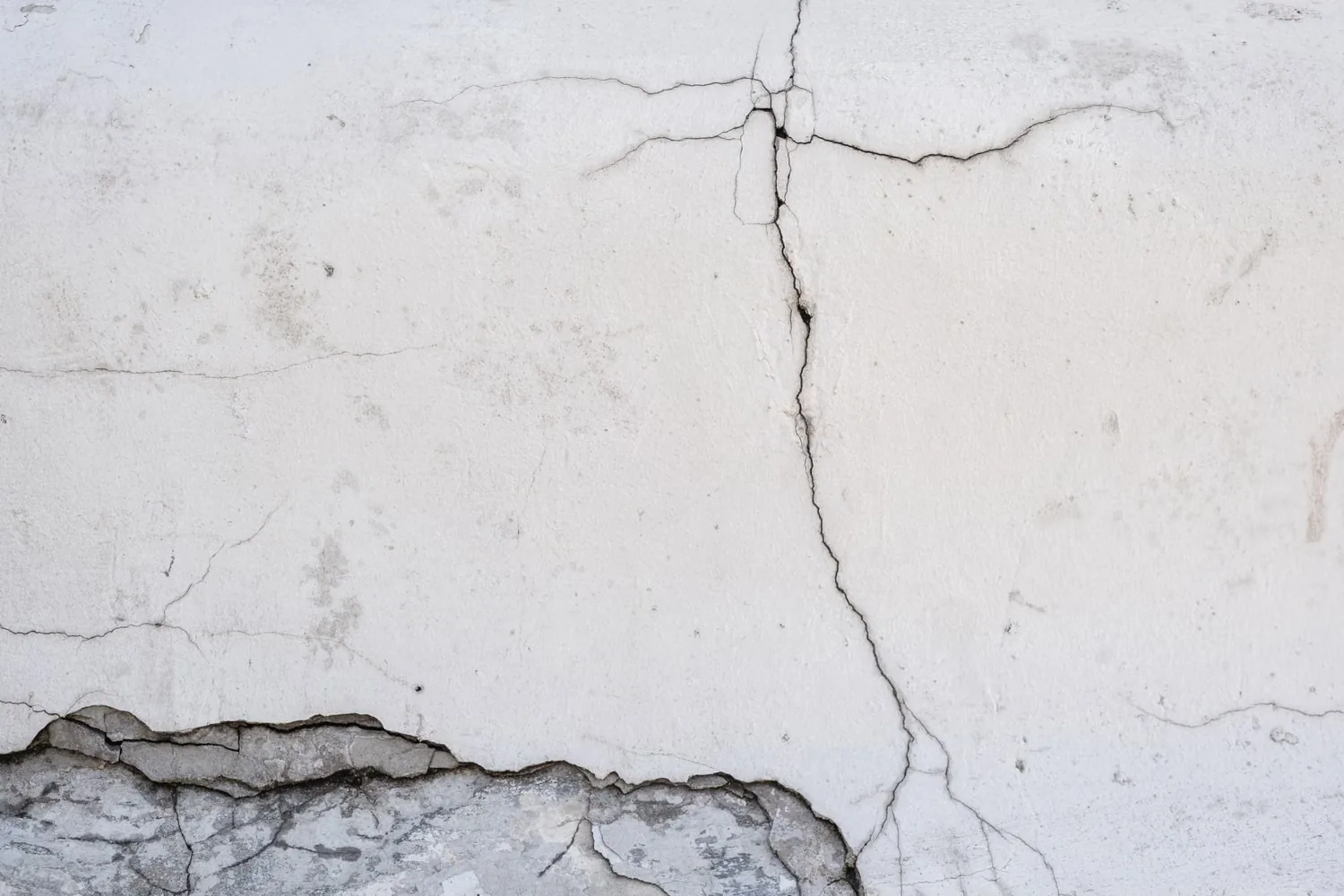
Traditional stucco is Portland cement, sand, lime and water, applied in coats over lath. Its strengths are deep: decades of proven performance across the British Columbia, exceptional impact resistance, genuine breathability that lets walls dry, and a substantial, masonry character that many homeowners love. Its weaknesses are equally real: it is rigid, so it cracks as buildings move; colour options are limited and fade over time; and it asks more of maintenance — prompt crack sealing is part of owning it.
Acrylic Stucco: The Flexible Modern
Acrylic stucco replaces cement binder with acrylic polymer resins. The result is a finish that flexes with the wall instead of cracking against it, holds integral colour for years without painting, resists moisture absorption, and offers a wide, consistent colour palette. Applied over proper base coats and mesh, acrylic systems deliver excellent performance with less routine maintenance. The trade-offs: lower vapour permeability than traditional stucco (detailing must manage drying), susceptibility to damage before full cure in cold weather, and a finish character some traditionalists find less substantial.
Head to Head in the British Columbia Climate
Crack resistance: acrylic wins — flexibility is its core advantage. Impact resistance: traditional wins — cement is harder. Colour: acrylic wins — integral, fade-resistant, unlimited palette. Breathability: traditional wins — cement stucco dries more freely. Maintenance: acrylic asks less, year to year. Character: a draw — this one is taste.
Which Should You Choose?
Choose acrylic if crack resistance, colour freedom and lower maintenance top your list — it is the right answer for most modern British Columbia applications. Choose traditional if you value maximum hardness, classic masonry character and maximum breathability — and accept the maintenance that comes with them. Either way, the system is only as good as its installation: coats, curing, reinforcement and water-shedding details decide the outcome far more than the binder does.
Still Deciding?
We install and repair both systems across Vancouver and British Columbia, and we will give you a straight recommendation for your specific wall — including when the honest answer is "keep what you have and repair it."