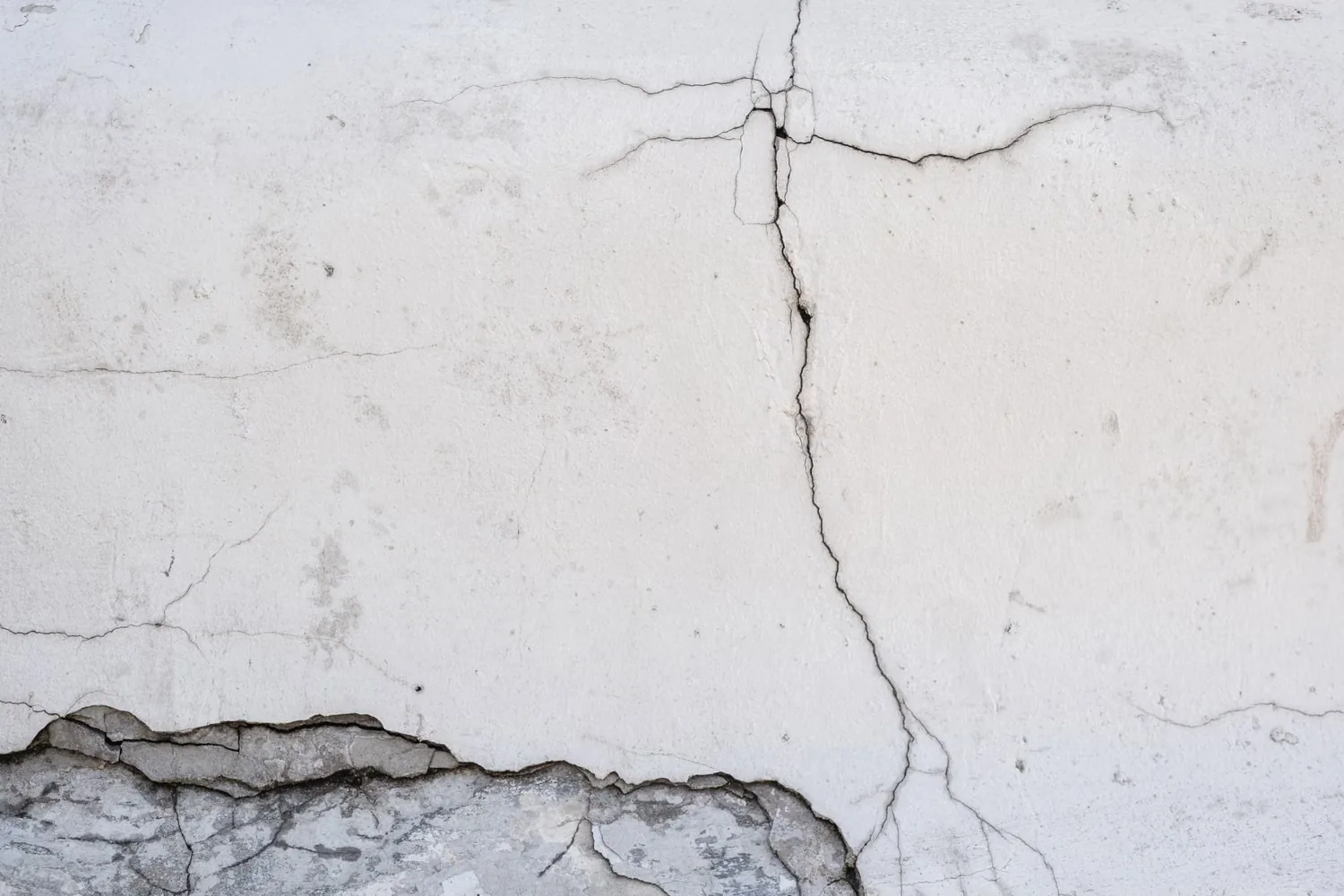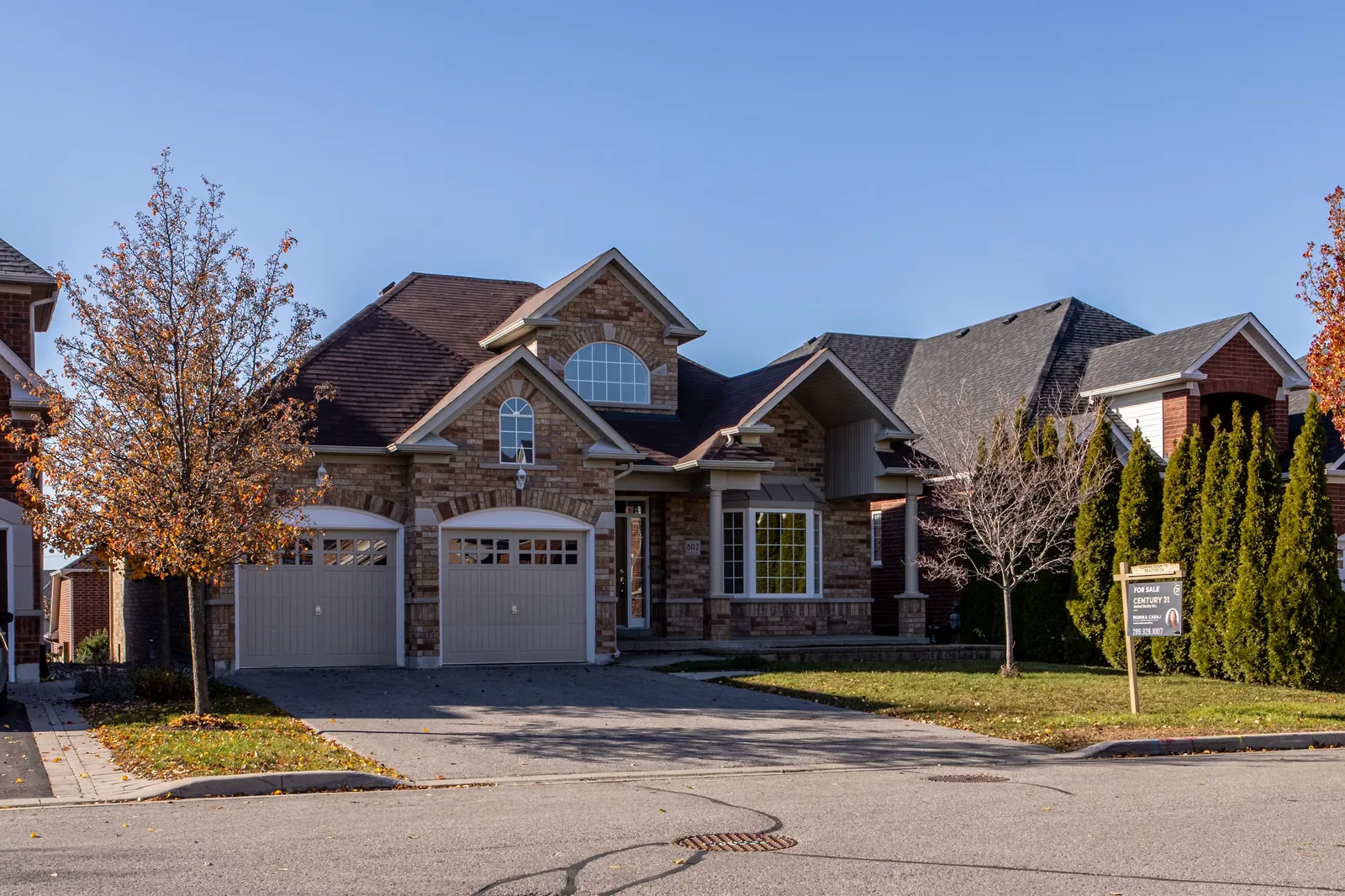

Canadian weather is not one test but four: freeze–thaw cycles that exploit every weakness, driving rain that probes every joint, summer heat that expands walls against winter contraction, and — at grade level — road salt and splashback that attack finishes chemically. Any exterior finish for a British Columbia home has to pass all four. Here is what that demands, and why stucco has answered so well for so long.
Demand 1: Freeze–Thaw Durability
The defining Canadian test. Water absorbed into a finish expands as it freezes; over dozens of cycles per winter, weak finishes spall, flake and crack. Finishes pass this test two ways: by shedding water before it absorbs (good detailing), and by tolerating what does absorb (sound material, proper curing). Quality stucco does both.
Demand 2: Moisture Management
Every wall gets wet; the question is whether it dries. The best finishes work as systems — weather-resistive barriers, flashing, drainage and breathable surfaces that release vapour. This is a detailing discipline more than a material choice, and it is where installation quality decides outcomes.
Demand 3: Movement Tolerance
Walls move — thermally, structurally, seasonally. Finishes must either flex with that movement (acrylic systems) or be detailed to accommodate it (control joints in rigid systems). Finishes that do neither crack, and cracks in a freeze–thaw climate compound quickly.
Demand 4: Impact and Salt Resistance
Grade-level walls face snowblowers, shovels, splashback and de-icing salt. Hard, well-bonded finishes with proper base detailing survive this; thin or poorly bonded finishes crumble at the base within years.
How Stucco Answers
Properly installed stucco passes all four tests: hard and durable against impact, repairable invisibly when damaged, breathable or flexible depending on the system, and — critically — maintainable. Unlike finishes that must be replaced wholesale when they fail, stucco is repaired section by section and refinished when it ages, which is why well-kept stucco walls outlast the siding, windows and roofs around them.
The Real Answer
The best exterior finish for Canadian weather is a well-detailed one. Material choice matters, but barriers, flashing, drainage, curing and maintenance matter more. Choose a finish you find beautiful — then make sure whoever installs it obsesses over the details the weather will actually test.