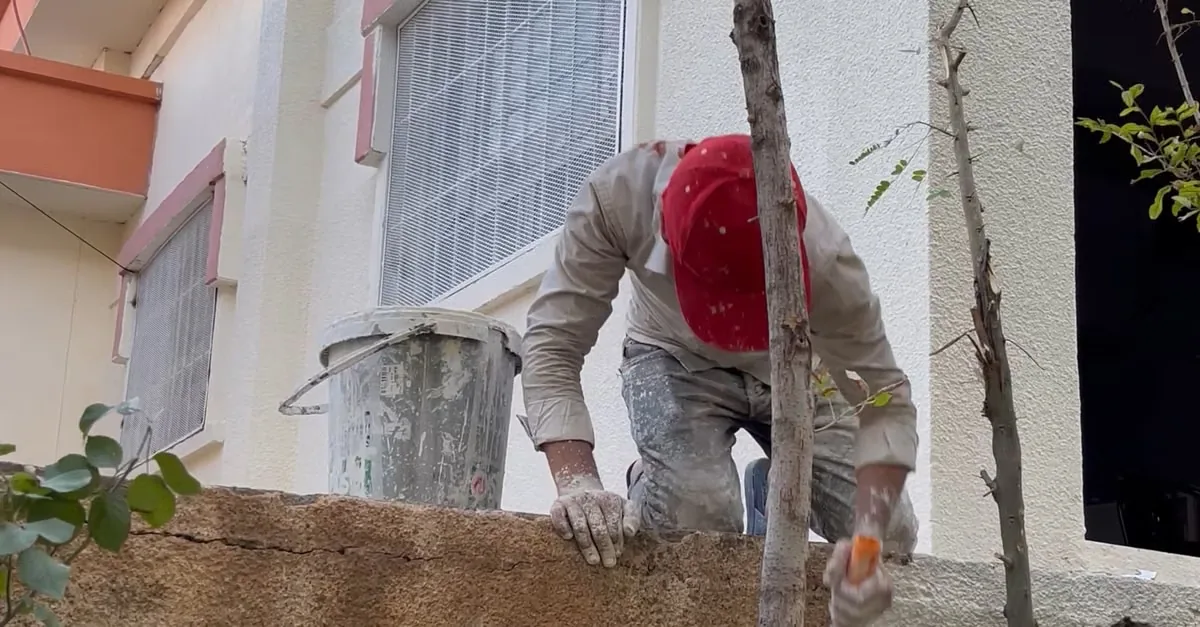
Stucco asks less of homeowners than almost any exterior finish — but what it asks, it asks consistently. The entire routine is a twenty-minute walk twice a year, plus prompt action on what the walk finds. Here is the checklist we give our own clients.
The Spring Walk (After Thaw)
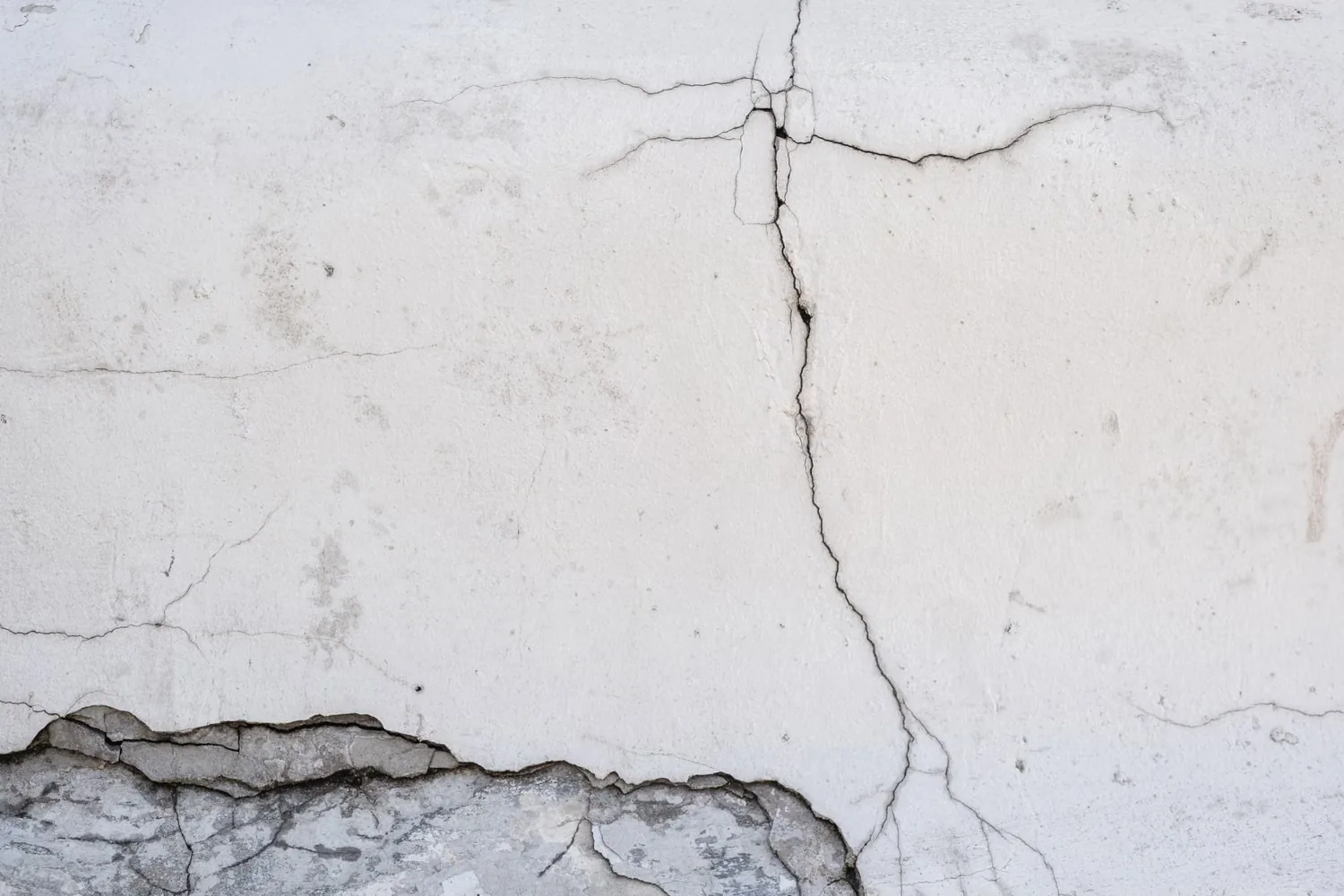
Winter is stucco's hardest season, so spring is the important inspection. Walk the full perimeter and look for: new or widened cracks — freeze–thaw's calling card; new staining — especially below windows, gutters and horizontal details; soft or flaking areas — press and brush the surface lightly; efflorescence — white deposits marking moisture movement; and base-of-wall condition — where splashback and salt concentrate their damage. Photograph anything questionable with a date, so next season's walk can tell you whether it is changing.
The Fall Walk (Before Freeze-Up)
Fall is preparation. Check that gutters and downspouts are clear and discharge away from walls; that grade still slopes away from the foundation; that sealant joints at windows, doors and penetrations are intact — this is the single highest-value maintenance item on any stucco home; and that vegetation is trimmed back from the walls. Anything cracked or open should be sealed before freeze-up, while materials still cure.
The Two Rules
Rule one: seal small things promptly. A hairline sealed in September cannot become a freeze–thaw crack by April. Prompt sealing is the cheapest maintenance in homeownership.
Rule two: keep water managed. Gutters, grade, sealant, irrigation direction — stucco's only real enemy is chronic moisture, and all four of its entry routes are homeowner-controllable.
What Not to Do
Do not pressure-wash stucco aggressively — it drives water into the surface and can damage finishes. Do not apply impermeable paints or sealers — stucco must breathe. Do not patch with rigid hardware-store fillers — they crack at the edges within a season. And do not ignore staining — it is the one sign that never means "leave it."
When to Call a Professional
Call when cracks grow, when staining spreads, when the surface softens or sounds hollow, or when you are simply unsure. An assessment costs nothing; the difference between a sealed hairline and a rebuilt section is usually one season of postponement. Twenty minutes, twice a year — that is the whole routine.